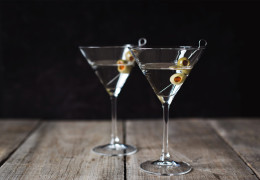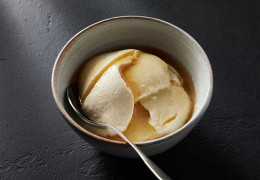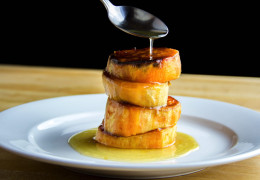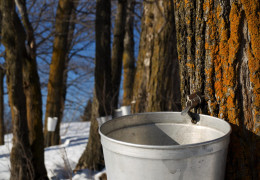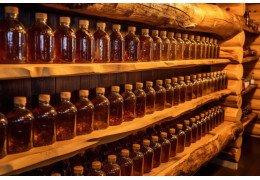
Amber maple syrup is increasingly appealing to lovers of fine cuisine and sweet treats. Its warm color, captivating...
1. Confusing pure maple syrup with flavored table syrup
This is a common confusion, especially among beginners: buying a product that looks authentic, but is just a flavored table syrup.
Pure maple syrup comes solely from maple sap concentrated by boiling, with nothing added. It costs more, but its flavor is much richer and its nutritional qualities far superior. Conversely, table syrups are often made from corn syrup or glucose, with artificial maple flavorings that mimic but never equal the original.
To do: inspect the label. A good maple syrup must contain only one ingredient: maple syrup. Avoid terms like "maple flavor," "pancake syrup," or long lists of ingredients.
Another clue: the price. A 100% syrup % Pure never costs €3. At that price, it's probably a processed product.
2. Relying only on photos
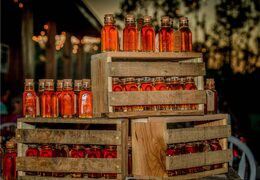
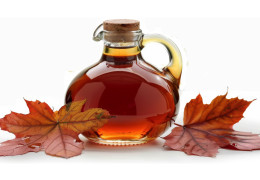
On the internet, appearance is everything, and sellers understand this. A pretty amber bottle, a label with a maple leaf... and you're won over. But be careful, this doesn't guarantee anything.
The visuals are often retouched, well-lit, or even completely different from the delivered product. Some sellers even use misleading images to suggest a Canadian or artisanal origin, when in fact the product is an industrial product from elsewhere.
To avoid this trap, never rely solely on photos. Always read the full product description:
- Type of syrup (pure or flavored)
- Grade (gold, amber, dark, etc.)
- Origin (Quebec, Vermont, etc.)
- Production method (organic, artisanal, etc.)
And of course, check out buyer reviews, which may confirm (or not) what the photos suggest.
3. Ignore the syrup grade
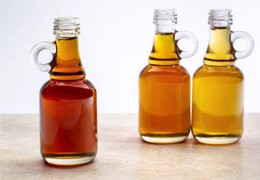
Not all maple syrups are created equal. There are several grades, each with its own color, intensity, and ideal use. Ignoring these can lead to unpleasant taste surprises.
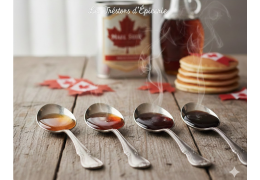
Since 2016, Canada and the United States have harmonized the classification. Here are the main ones:
- Golden, delicate taste : ideal for fruit, yogurts or pancakes.
- Amber, rich taste : very versatile, perfect at the table or in the kitchen.
- Dark, strong taste : for cooked dishes or marinades.
- Very dark, intense taste : woody, for purists or professionals.
Many sites don't list this information, or they list it in very small print. And buying a dark syrup thinking it'll be sweet can be a real disappointment.
Always check the grade. If it's not specified, contact the seller... or move on.
4. Neglecting the origin of the syrup
The authenticity of a syrup also depends on where it comes from.
Quebec produces more than 70 % global syrup, with strict standards, recognized expertise, and reliable traceability. Vermont, in the United States, is also a benchmark. But some syrups sold online come from less reputable regions, or even blends without clear standards.
Watch out for: Vague terms like "Canadian syrup" or "maple-based" don't guarantee anything. Instead, opt for clear statements like:
- “Produced in Quebec”
- “Harvested by hand”
- Quality labels (PGI, organic, etc.)
And beware of designs that evoke Canada without actually proving it. Check the product sheet, reviews, and verify the origin before purchasing.
5. Falling into the trap of fake promotions
There are plenty of tempting offers online... but they're often misleading. Spectacular discounts sometimes mask a low-end product, or even a fake syrup sold as pure.
Some common pitfalls:
- “Promotion until midnight!”: renewed every day.
- Initial price inflated to simulate a big drop.
- Discount packs: often to clear out poor quality stock.
Good syrup is expensive to produce. If the offer seems too good, it's often suspicious.
To protect yourself:
- Compare prices on several reputable sites.
- Check the purity of the syrup and avoid ambiguous terms.
- Read customer reviews to spot pitfalls.
A real bargain? A pure, well-rated product at a reasonable price.
6. Not reading customer reviews
Buyer reviews are a goldmine of information, but too often overlooked.
A syrup may look perfect... but be criticized for its artificial taste, damaged packaging, or questionable quality. These are all signs not to be ignored.
Some useful reflexes:
- Read several recent reviews, not just the stars.
- Be wary of reviews that are too vague or too perfect.
- Prefer platforms with customer photos or videos.
- Check the seller's rating if you are using a marketplace.
What if there are no reviews? That's risky. It's better to choose a product that's already been tested.
7. Forgetting to check shipping and returns costs
The price displayed doesn't tell the whole story. Shipping costs can double the bill, especially for a heavy product like syrup.
And if there's a problem (broken bottle, disappointing taste, etc.), what happens? Some sellers refuse returns and refunds.
Before ordering:
- Check the delivery costs before confirming.
- See return/refund conditions.
- Choose a seller with good customer service.
A little vigilance avoids a lot of hassle.
Conclusion
Buying maple syrup online can be a great experience, as long as you avoid common mistakes.
To summarize, keep these three principles:
- Choose a pure, well-graded syrup from a reliable source.
- Beware of pretty pictures and offers that seem too good to be true.
- Rely on reviews and check the terms of sale.
With these good reflexes, you will make your purchases with complete peace of mind, while supporting real producers.
Want to go further? Discover how to store and enjoy your syrup like a pro : culinary pairings, freshness tips... to make the most of every drop!
Leave a comment
Log in to post comments